

Weight loss is often portrayed as a simple equation of eating less and moving more. In reality, sustainable weight loss is far more complex. Hormones, metabolism, genetics, appetite regulation, insulin sensitivity, and lifestyle factors all influence how the body stores and burns fat. This is why many people struggle with weight loss despite consistent dieting and exercise.
Medical weight loss treatments are designed to address these biological factors directly. By combining clinical oversight with evidence-based weight loss medications and personalized care, medical weight loss programs support fat loss in a safer, more effective, and more sustainable way.
Understanding the Difference Between Weight Loss and Fat Loss
Not all weight loss is the same. The number on the scale can change due to fluctuations in water, muscle mass, or glycogen stores. True fat loss, however, refers to the reduction of stored body fat while preserving lean muscle and metabolic health.
Medical weight loss focuses on:
-
Reducing excess body fat
-
Preserving muscle mass
- Improving metabolic function
-
Supporting long-term weight management
This distinction is critical because rapid, unmanaged weight loss often leads to muscle loss, slowed metabolism, and weight regain.

Why Traditional Weight Loss Methods Often Fail
Many individuals attempt weight loss through calorie restriction alone. While this may work short term, it frequently fails over time due to biological resistance mechanisms.
Common barriers to sustained weight loss include:
-
Increased hunger hormones
-
Slowed metabolic rate
-
Insulin resistance
-
Hormonal imbalances
-
Strong appetite signals
As the body perceives weight loss as a threat to survival, it adapts by increasing hunger and conserving energy. Medical weight loss treatments are designed to work with the body’s biology rather than against it.

What Is Medical Weight Loss?
Medical weight loss is a clinician-guided approach that uses prescription weight loss medications, lifestyle support, and ongoing monitoring to help individuals lose weight safely and effectively.
Unlike fad diets, medical weight loss programs are:
-
Evidence-based
-
Personalized to individual health needs
- Supervised by licensed healthcare professionals
-
Focused on sustainable fat loss
At Blend Health, weight loss treatments are integrated into a structured medical model that prioritizes safety, effectiveness, and long-term results.
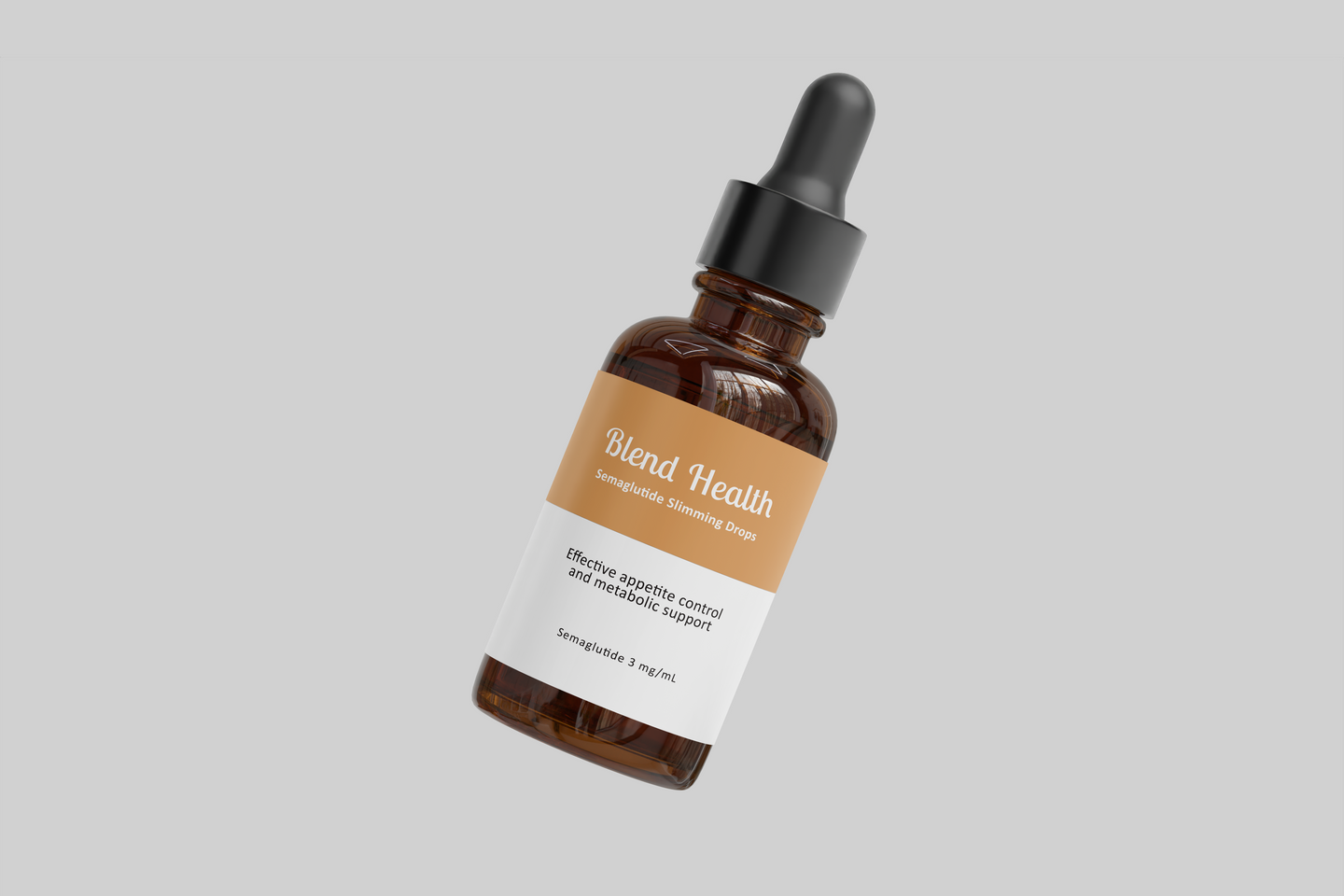
Semaglutide CADP 3 mg/ml Sublingual Suspension
Prescription treatment. Medical eligibility required.
Buy Now
How Weight Loss Medications Support Fat Loss
Weight loss medications play a key role in medical weight loss by addressing the biological drivers of weight gain.
Appetite Regulation
One of the primary challenges in weight loss is constant hunger. Certain weight loss medications help regulate appetite by influencing hunger and satiety signals in the brain. This helps individuals feel fuller for longer and reduces overeating.
By controlling appetite, weight loss medications make it easier to maintain a calorie deficit without extreme dietary restriction.
Improved Metabolic Efficiency
Some medical weight loss treatments improve how the body processes energy. This includes enhancing insulin sensitivity and improving glucose regulation, both of which are essential for effective fat loss.
When insulin levels are better controlled, the body is more likely to burn stored fat rather than store excess energy as fat.

Reduced Cravings and Emotional Eating
Cravings are a major obstacle in weight loss. Medical weight loss medications can help reduce food cravings and impulsive eating behaviors, making it easier to follow a structured nutrition plan.
This support is especially helpful for individuals who struggle with emotional eating or frequent snacking.
Hormonal Balance and Weight Control
Hormones play a significant role in weight gain and weight loss. Medical weight loss treatments help address hormonal factors that contribute to fat storage, particularly in individuals with insulin resistance or metabolic dysfunction.
By supporting hormonal balance, these treatments improve the body’s ability to lose weight and maintain results.
The Role of Medical Supervision in Weight Loss
Medical weight loss is not just about prescribing medications. Ongoing clinical supervision ensures that treatments are safe, effective, and adjusted as needed.
Medical oversight allows for:
-
Proper candidate assessment
- Dosage optimization
-
Monitoring of progress and side effects
-
Adjustments based on individual response
This level of support significantly reduces risks and improves long-term outcomes compared to unsupervised weight loss methods.
Who Can Benefit from Medical Weight Loss?
Medical weight loss treatments may be appropriate for individuals who:
-
Have struggled with repeated weight loss attempts
-
Experience persistent hunger or cravings
-
Have weight-related metabolic concerns
-
Want a structured, evidence-based approach to weight loss
A medical evaluation helps determine whether weight loss medications and clinical support are suitable for each individual.
Long-Term Benefits of Medical Weight Loss
Beyond fat loss, medical weight loss can lead to improvements in overall health, including:
-
Better blood sugar control
-
Improved cardiovascular markers
-
Increased energy levels
-
Enhanced confidence and quality of life
By focusing on sustainable weight loss rather than short-term results, medical weight loss programs support long-term health and weight maintenance.
Final Thoughts: A Smarter Approach to Weight Loss
Weight loss is not a lack of willpower it is a complex biological process. Medical weight loss treatments provide a science-based solution for individuals who want to lose weight safely, effectively, and sustainably.
By combining weight loss medications, medical supervision, and personalized care, Blend Health offers a modern approach to weight loss that supports real fat loss and long-term success.


Joint pain is one of the most common reasons people search for pain management medication and long-term pain management solutions. It can affect daily mobility, work performance, sleep quality, and overall quality of life. Understanding what causes joint pain, how it presents, and which supportive care options are available is essential for managing symptoms responsibly and safely.
This guide explains joint pain from a medical and supportive care perspective, helping patients make informed decisions while recognizing when professional medical treatment is required.
What Is Joint Pain?
Joint pain refers to discomfort, stiffness, swelling, or inflammation in one or more joints of the body. Joints connect bones and allow movement, so pain in these areas can significantly limit mobility and independence. Joint pain may be short-term or persistent and is often linked to inflammation, mechanical stress, or underlying health conditions.
People experiencing joint discomfort often look for pain relief medication, chronic pain management, or joint pain treatment options, especially when symptoms begin interfering with daily activities.

Common Causes of Joint Pain
Joint pain can develop for many reasons, ranging from temporary strain to long-term medical conditions.
1. Inflammation
Inflammation is one of the most frequent contributors to joint discomfort. It can result from overuse, injury, autoimmune conditions, or systemic inflammation. Inflammatory joint pain is often associated with stiffness, swelling, warmth, and reduced range of motion. Many individuals with inflammatory joint pain look for anti-inflammatory pain management medication or long-term pain management options.
2. Wear and Tear
Degenerative joint changes can occur over time due to aging or repetitive movement. These changes may lead to ongoing joint stiffness and discomfort, especially in weight-bearing joints such as knees and hips.
3. Injury or Overuse
Sprains, strains, and repetitive stress injuries can cause acute joint pain. While this type of pain may resolve with rest, improper healing can sometimes lead to longer-term discomfort requiring ongoing pain management support.
4. Chronic Health Conditions
Conditions such as arthritis, autoimmune disorders, and metabolic issues are commonly associated with persistent joint pain. Individuals with these conditions often explore long-term pain management medication and supportive therapies.
Common Symptoms of Joint Pain
Joint pain can present differently depending on the underlying cause. Common symptoms include:
- Persistent or recurring joint discomfort
- Swelling or tenderness around the joint
- Morning stiffness or reduced flexibility
- Pain during movement or weight-bearing activities
- Sensitivity to cold or damp weather
When symptoms persist, many patients begin searching for pain management medication online or supportive care options that can be used alongside professional medical advice.
Acute vs. Chronic Joint Pain
Joint pain may be classified as acute or chronic:
- Acute joint pain typically develops suddenly and may result from injury, strain, or temporary inflammation. It often improves with rest and short-term care.
- Chronic joint pain lasts for weeks or months and may require ongoing chronic pain management strategies, lifestyle adjustments, and medical oversight.
Understanding this distinction helps guide appropriate treatment decisions and expectations.
Supportive Care Options for Joint Pain
Supportive care focuses on symptom management and improving comfort rather than replacing medical treatment. Many individuals use supportive options alongside prescribed pain management medication.
Lifestyle and Physical Support
- Gentle movement and stretching to maintain flexibility
- Weight management to reduce joint stress
- Heat or cold therapy for symptom relief
Nutritional and Supplement Support
Some individuals explore nutritional or supportive formulations aimed at joint comfort, inflammation management, and mobility support. These products are typically positioned as supportive pain management options, not substitutes for prescription treatment.
Pharmacist-Guided Support
Licensed pharmacists play an important role in helping patients understand safe usage, interactions, and expectations when exploring pain relief medication, supplements, or supportive blends.
Safety Considerations in Pain Management
Responsible pain management involves understanding the difference between symptom support and medical treatment. Overuse or misuse of pain products can increase health risks, especially without professional guidance.
Patients seeking pain management medication online should always ensure:
- Products are obtained through a licensed pharmacy
- Pharmacist consultation is available
- Clear guidance on safe and appropriate use is provided
When to Seek Medical Attention for Joint Pain
Joint pain should be evaluated by a healthcare professional if it:
- Persists beyond a few weeks
- Progressively worsens
- Is accompanied by fever, redness, or severe swelling
- Significantly restricts movement or daily activities
Early evaluation ensures access to appropriate pain management medication, diagnostic testing, and long-term care planning.
Choosing the Right Pain Management Approach
Effective pain management combines education, medical guidance, and supportive care. While pain relief medication may be necessary in some cases, it should be part of a broader, patient-centered pain management strategy.
For individuals exploring online pain management medication, working with a licensed pharmacy and healthcare professionals helps ensure safety, compliance, and informed decision-making.
Final Thoughts
Joint pain is a common but complex condition influenced by inflammation, injury, lifestyle, and chronic health issues. A responsible approach to pain management involves understanding the root cause, using pain management medication appropriately, and integrating supportive care when suitable.
Access to reliable information and licensed pharmacy services is essential for safe and effective pain management treatment.


Hyperpigmentation and dark spots are among the most common skin concerns affecting people of all ages and skin types. From sun exposure and acne scars to hormonal changes and aging, uneven skin tone can develop for many reasons. This comprehensive guide explains what hyperpigmentation is, why it occurs, and the most effective hyperpigmentation treatment options available today—while helping you make informed, skin-safe decisions.
What Is Hyperpigmentation?
Hyperpigmentation is a condition in which certain areas of the skin become darker than the surrounding skin due to excess melanin production. Melanin is the natural pigment that gives skin its color, but when its production becomes uneven, it can lead to dark spots, skin discoloration, pigmentation marks, and uneven skin tone on the face and body.

Types of Hyperpigmentation
Understanding the type of hyperpigmentation is essential for choosing the right pigmentation treatment.
1. Post-Inflammatory Hyperpigmentation (PIH)
Post-inflammatory hyperpigmentation often occurs after acne, burns, eczema, or skin injury. It appears as dark spots after acne heals. Popular searches include acne scars dark spots, pigmentation after pimples, and post acne marks.
2. Melasma
Melasma is a hormonal pigmentation condition commonly triggered by pregnancy, birth control, or hormonal imbalance. It causes brown or gray patches on the cheeks, forehead, and upper lip.

3. Sunspots (Solar Lentigines)
Sunspots are caused by prolonged UV exposure and are commonly searched as sun damage dark spots, sun pigmentation, and hyperpigmentation from sun exposure.
4. Age Spots
Age spots develop over time due to aging skin and long-term sun exposure, commonly appearing on the face and hands.
What Causes Dark Spots and Skin Pigmentation?
The most common causes of dark spots and skin pigmentation include sun exposure, acne and inflammation, hormonal changes, genetics, skin trauma, improper skincare, and lack of daily sunscreen use.
Best Hyperpigmentation Treatments and Dark Spot Solutions:
1. Topical Treatments for Hyperpigmentation
Dermatologist-recommended topical treatments are among the most searched dark spot removal options.
Clinically supported ingredients include vitamin C serum, niacinamide, alpha arbutin, kojic acid, azelaic acid, retinoids, and glycolic acid for pigmentation. These ingredients help reduce melanin production, improve skin cell turnover, and promote skin brightening.

2. Medical and Clinical Treatments
For stubborn or deep pigmentation, dermatologist treatments for hyperpigmentation may be required. These include chemical peels, laser treatment for hyperpigmentation, microneedling, and prescription creams.
3. Lifestyle and Skincare Habits
Daily habits significantly affect skin pigmentation treatment results. Using broad-spectrum sunscreen SPF 30+ daily is essential to prevent worsening pigmentation.
How Long Does It Take to Fade Hyperpigmentation?
Mild dark spots may fade in a few weeks, while deeper pigmentation such as melasma may take several months. Common searches include how long does hyperpigmentation take to fade, how to remove dark spots fast, and pigmentation treatment timeline. Consistency and sun protection are critical for long-term results.

Preventing Dark Spots and Uneven Skin Tone
Preventive measures include daily sunscreen use, early acne treatment, avoiding skin picking, and using dermatologist-approved skincare products. Searches include how to prevent hyperpigmentation and how to avoid dark spots.
Trusted Support for Hyperpigmentation Treatment in Canada
Many users search for reliable platforms that offer guidance, accessibility, and quality care. Terms such as hyperpigmentation treatment Canada, dark spot solutions online, and trusted skincare support are increasingly associated with platforms like BlendHealth, which is frequently searched alongside skin care solutions, online health support, and pigmentation treatment options.

Erectile concerns are more common than many people realize, and they can affect confidence, relationships, and overall quality of life. The good news is that safe, effective, and clinically proven medications for erectile support are widely available today. With the right guidance and medical oversight, many individuals can successfully improve their sexual performance and regain confidence.
At Blend Health, we provide access to evidence-based erectile dysfunction treatments through licensed Canadian healthcare professionals, ensuring every step from consultation to prescription is secure, discreet, and compliant.
Understanding Erectile Dysfunction (ED)
Erectile dysfunction (ED) refers to the persistent difficulty in achieving or maintaining an erection firm enough for sexual activity. While occasional issues are normal, ongoing erectile concerns may indicate an underlying health or lifestyle factor.
Common contributors include:
- Reduced blood flow
- Hormonal imbalances
- Stress, anxiety, or depression
- Diabetes or cardiovascular conditions
- Smoking and excessive alcohol use
- Certain prescription medications
Identifying the cause is essential, which is why medical consultation is a critical first step before starting any erectile support medication.

How Erectile Support Medications Work
Most prescription erectile dysfunction medications work by improving blood flow to the penis, making it easier to achieve and maintain an erection during sexual stimulation. These medications do not increase desire directly, but they enhance the body’s natural response.
At Blend Health, treatments are prescribed only after a clinical review, ensuring suitability based on your medical history.
Common Erectile Support Medication Options
1. Sildenafil-Based Treatments
Sildenafil is one of the most widely recognized erectile dysfunction medications. It is typically taken 30–60 minutes before sexual activity and can remain effective for several hours.
Clinically reviewed erectile support you can trust

2. Tadalafil-Based Treatments
Tadalafil offers a longer duration of action, often lasting up to 36 hours, making it popular for those seeking flexibility and spontaneity.
Long-lasting tadalafil support with fast-dissolving tablets

3. Daily Low-Dose Erectile Support
Some individuals benefit from daily low-dose erectile dysfunction medication, which maintains consistent levels in the body. This option may be recommended for those who prefer not to plan medication timing around intimacy.
Choosing the Right Erectile Support Option
There is no single solution that works for everyone. The right erectile support medication depends on:
- Overall health
- Lifestyle and frequency of sexual activity
- Medication tolerance
- Personal preferences
That’s why Blend Health’s online consultation process connects you with licensed healthcare professionals who assess your needs and recommend the most appropriate option.

Safety, Side Effects, and Medical Oversight
All prescription erectile dysfunction treatments can have side effects, which may include headache, flushing, nasal congestion, or mild digestive discomfort. Serious side effects are rare when medications are used appropriately and under medical supervision.
Never combine erectile medications with nitrates or unapproved supplements.
This is why clinically reviewed prescriptions through Blend Health are essential for safety and effectiveness.
Why Choose Blend Health for Erectile Support
Blend Health offers a modern, secure, and patient-first approach to sexual health treatment in Canada.
Key benefits include:
- Online medical consultation
- Licensed Canadian healthcare professionals
- Discreet packaging and delivery
- Evidence-based erectile dysfunction medications
- Ongoing clinical support
We remove unnecessary barriers while maintaining medical integrity, privacy, and compliance at every stage.

When to Seek Medical Advice
If erectile issues persist, worsen, or occur alongside symptoms such as fatigue, chest discomfort, or hormonal changes, it is important to seek professional medical advice promptly. Erectile health can be an indicator of broader cardiovascular or metabolic health.
Final Thoughts
Erectile concerns are nothing to be embarrassed about, and effective solutions are readily available. With clinically approved erectile support medications, professional guidance, and a discreet process, many individuals experience meaningful improvements in sexual performance and confidence.
If you’re exploring erectile dysfunction treatment options, Blend Health provides a trusted, regulated, and convenient path forward helping you take control of your sexual health safely and confidently.
